Starting your own coffee brand doesn’t necessarily mean investing in roasting equipment or ordering thousands of bags. Cafés, online businesses and entrepreneurs can launch their own branded coffee products using an established roaster to handle production and packaging.
In this guide, Martin Smith, Sales Director at We Are Coffee Co, explains how own-label coffee works, what it costs to get started, and some mistakes new coffee brands should avoid.
We get asked about starting a coffee brand every week. Sometimes it’s a café wanting its own bags to sell over the counter.
Other times it’s a business looking for coffee for an event, or someone with an audience who thinks it could sell.
Many people assume they’ll need roasting equipment, a big budget, or thousands of bags to get started. You can start much smaller than that. But there are a few things worth thinking through before you spend any money.
How own-label coffee works
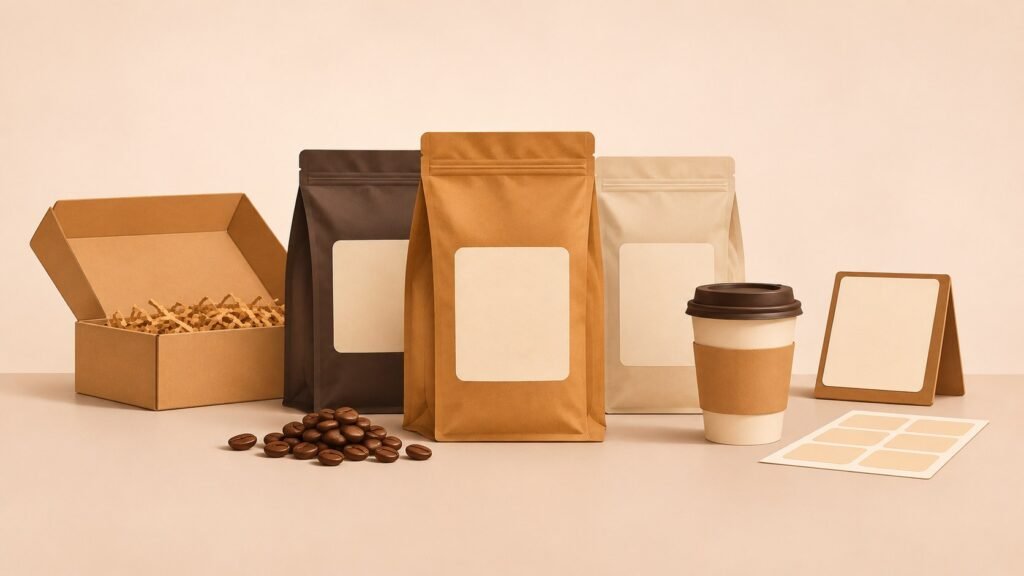
An own-label roaster (you’ll also see it called white label or private label) produces coffee that you sell under your own brand. You choose the coffee, agree on the packaging, and the roaster handles the roasting and packing.
A roastery since 1975, We Are Coffee Co since 2023. Our roastery is in Clydebank, Scotland. Most new brands we work with begin with one of our existing blends, single origins, flavoured or functional coffees.
That gives them a chance to get going with a coffee we already know well, without the extra work and expense of developing something from scratch.
You still have decisions to make. Who is it for? Where will you sell it? What will you charge? A roaster can help you choose the coffee, but you need to understand the people buying it. You will also need to choose a business name that works for your brand.
How small can you start?
With us, if you choose a coffee from our range and use a stock pouch with your own label, there’s no minimum order. You can order what you think you can sell.
Soul Sisters, a café we work with, started with two blends, ordering 1kg bags to use behind the bar and 250g bags for customers to take home. That’s a sensible way to introduce a retail product: people can try the coffee before buying a bag.
A software company had a different reason for ordering. They wanted their own “house blend” to sell at a trade event. We supplied 100 bags, each weighing 250g, split between medium and dark roast, with labels front and back. They were delivered to London for the event.
Neither needed a huge range to get started. They had a particular customer or occasion in mind, which makes those first decisions much easier.
What will it cost?
For a first order, you’ll usually be looking at the coffee, label setup and delivery.
As an example, a run of 100 of our 250g bags comes in at around £5 per bag. Label setup is £20 per design, and delivery is quoted separately. So you’re looking at hundreds of pounds for an initial order rather than thousands.
The setup covers preparing your artwork for print and checking the label information. Ask your roaster to explain what’s included in their quote so you can compare properly.
Before deciding on a selling price, work out what you’ll have left from each sale. If you’re selling online, allow for postage materials and platform fees. If you want shops to stock it, you’ll need to leave room for their margin too.
Larger orders can bring the cost per bag down. That’s useful once sales are established, but a cheaper bag isn’t much help if you’ve ordered more than you can sell. It is worth putting together a basic business plan before ordering stock.
Packaging and lead times
For coffee in a stock pouch with your own label, our usual turnaround is two to three weeks from artwork approval.
Fully printed pouches take longer and generally involve much larger minimum orders. They can look great, but I wouldn’t rush into them for a first run.
A good label on a stock pouch lets you get started and see how customers respond. You might want to change the design, the bag size or even the coffee after those first orders. It’s easier to do that when you haven’t already bought thousands of printed bags.
If you’re working towards an event or launch date, mention it at the start and agree the timing before placing the order.
A few mistakes to avoid
Choosing only for your own taste is an easy one. You might love an unusual single origin, but that doesn’t mean it’s the right coffee for your customers. Get samples and ask the people you hope will buy it. A smooth, chocolatey medium roast is often a good starting point.
Trying to launch too many products at once also makes things harder. Each extra coffee or bag size is another decision and more stock to manage. The café selling two blends has a clear reason for doing so. You don’t need six just to make your website look full.
The biggest question, though, is where those first bags are going to sell. A café counter, an event or an existing online audience gives you somewhere to start. If you don’t have that yet, give it as much attention as the coffee and the packaging.
There’s room to grow
One business we work with started with an idea for a functional mushroom drinks range. We helped develop the recipes, designed and sourced the packaging, and now produce the range, which is stocked in national retailers.
That involved more development than choosing an existing coffee, but it shows what working with a producer can make possible as a business grows.
For your first order, keep it manageable. Know who you’re selling to, have a realistic idea of how many bags you could sell, and try the coffee before committing.
If you’d like more detail, we’ve put together a guide to starting a coffee brand on the We Are Coffee Co website, covering the process from choosing your coffee through to your first delivery.
More from ByteStart
If you’re thinking about opening a café rather than launching a packaged coffee brand, read our guide to starting a coffee shop in the UK.