How do pensions work if you’re a sole trader?
Starting a pension to save for your retirement is fairly easy to do. Here’s what you need to know about setting up a pension in 2026/27 as a sole trader.

When you’re self-employed, nobody else is paying into a workplace pension on your behalf.
You can still build retirement savings through a personal pension or SIPP and receive tax relief on eligible contributions.
These guides explain how pensions work for sole traders, how much you might need to save, the tax rules and how self-employment affects your State Pension.
Starting a pension to save for your retirement is fairly easy to do. Here’s what you need to know about setting up a pension in 2026/27 as a sole trader.
How the State Pension works if you’re self-employed, including NI rates, qualifying years, how to fill gaps, and why you may need extra retirement savings.
A Self-Invested Personal Pension (SIPP) is a popular way of saving for retirement for the self employed. Read our simple summary to find out more.
Learn how pension tax relief works for sole traders. Understand allowances, limits and how self-employed pensions differ from limited company directors.
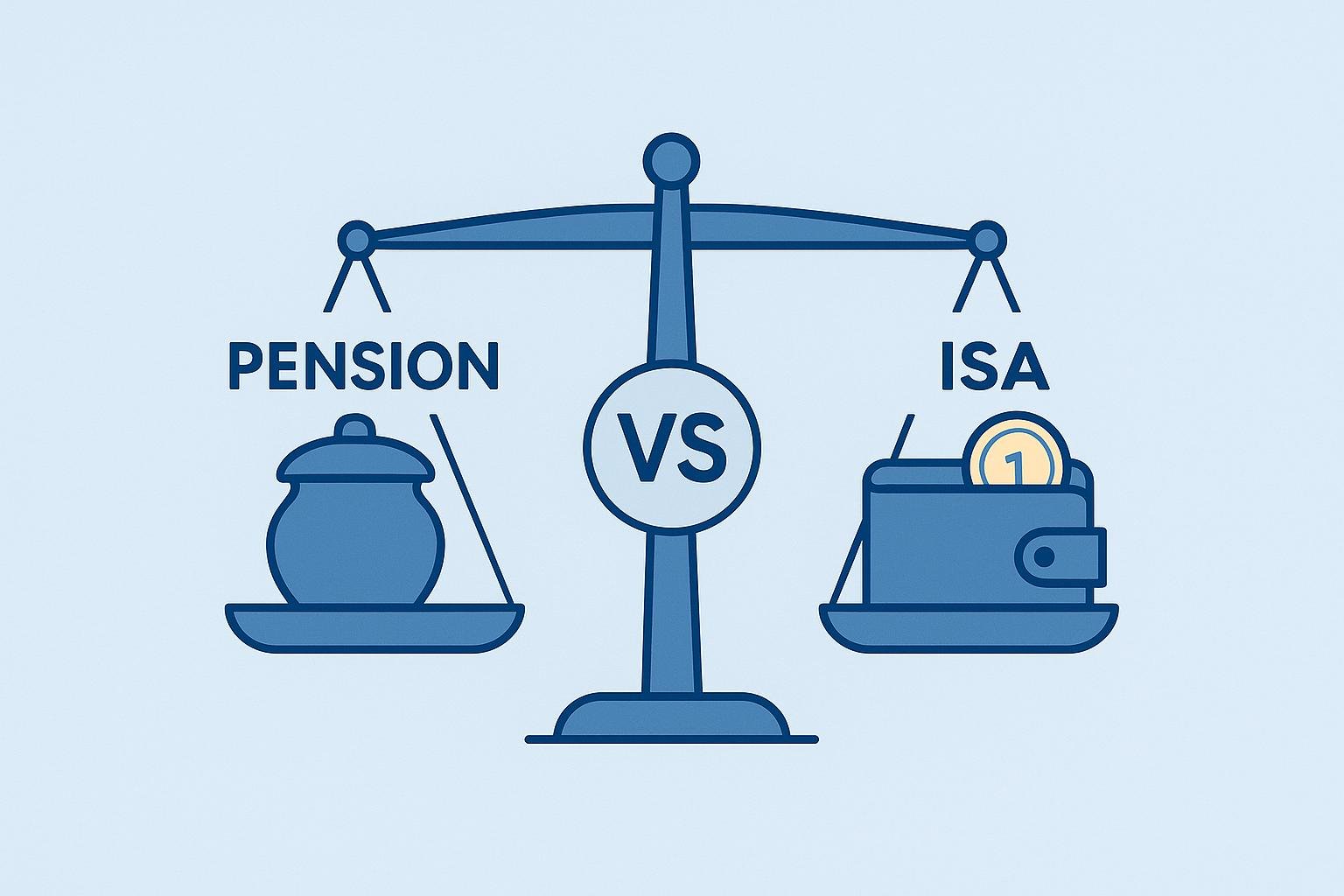
Pension or ISA if you’re self-employed – which is best? Compare tax relief, access rules and allowances, plus how SIPPs and ISAs can work together.
How much should self-employed people save for retirement? See typical retirement costs and how much you may need to contribute.
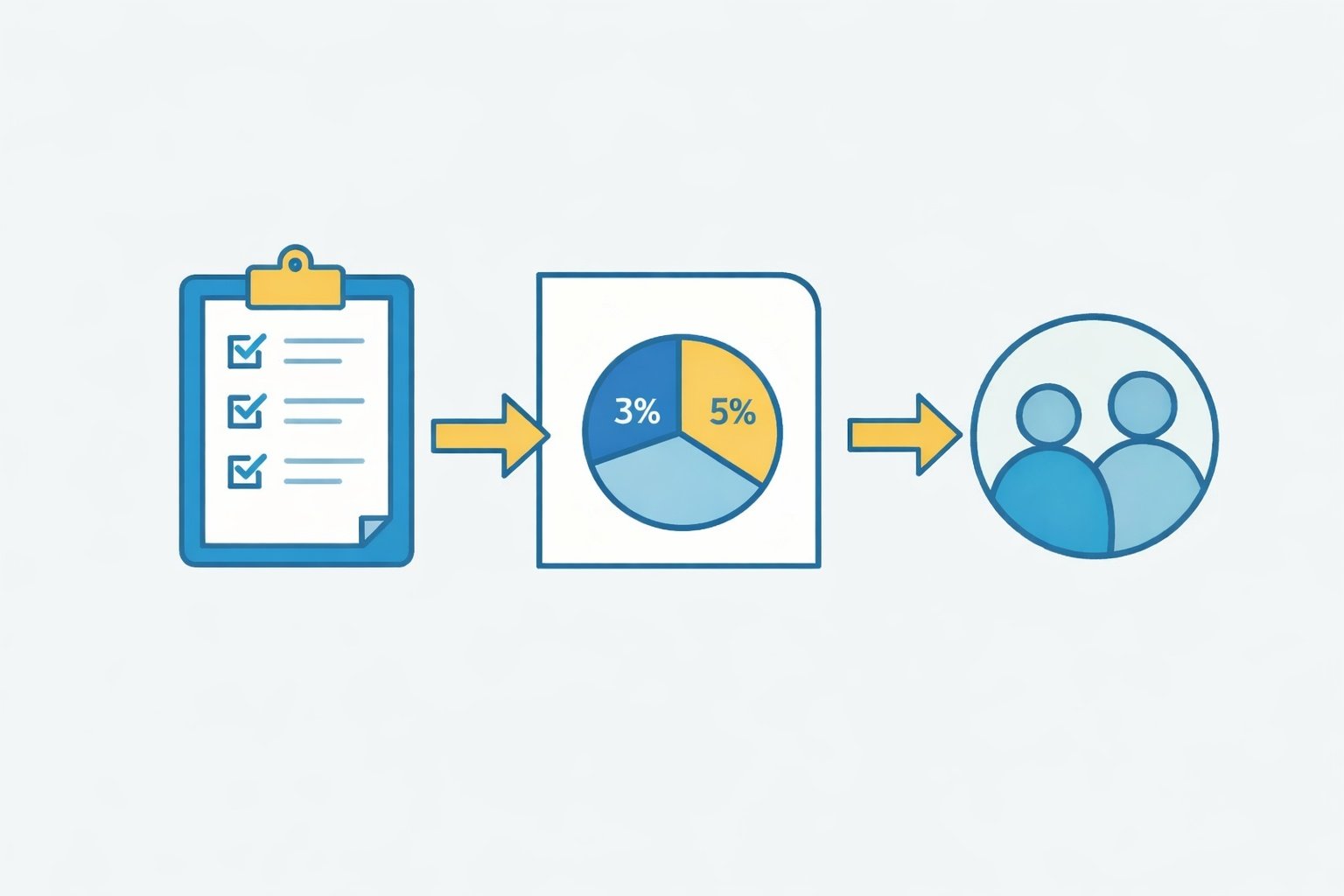
Automatic enrolment is the UK’s mandatory workplace pension system. Find out why sole traders (without employees) and many small companies are exempt.
Social Market Foundation warns just 22% of self-employed save into a pension. New report calls for ‘nudges’ from banks and HMRC to boost retirement savings.
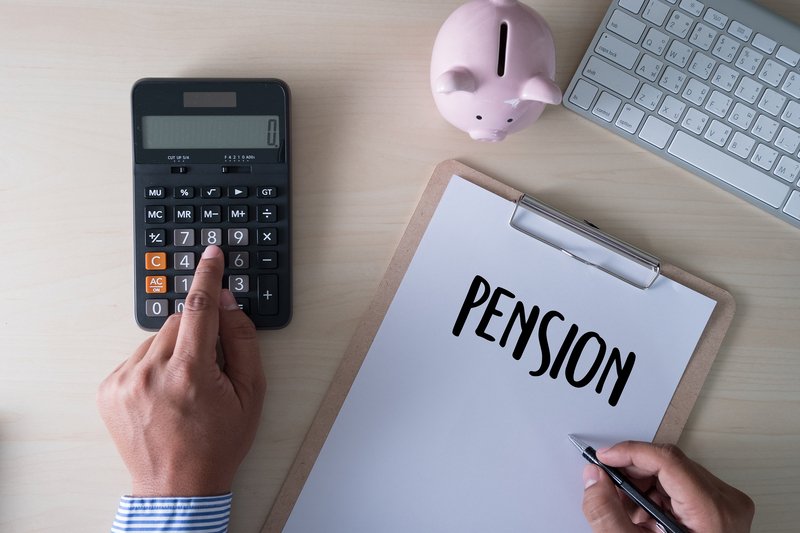
The Government has revived the Pensions Commission to tackle a looming retirement crisis, with self-employed workers among the worst affected.
Left it late to start a pension? If you’re self-employed, here’s how to catch up, claim tax relief, and build a pot from scratch.