Sole trader tax: a guide for the self-employed

In this guide, we look at the taxes the self-employed pay. We also look at some common mistakes to avoid when it comes to dealing with HMRC.

Understanding how tax works is essential when you’re self-employed.
This section explains how the UK tax system applies to sole traders, including Income Tax, National Insurance, Self Assessment and VAT.
You’ll also find guidance on registering with HMRC, claiming allowances, meeting tax deadlines and preparing for Making Tax Digital.
Whether you’re starting out or checking that your tax affairs are in order, these guides explain the rules in plain English.
In this guide, we look at the taxes the self-employed pay. We also look at some common mistakes to avoid when it comes to dealing with HMRC.
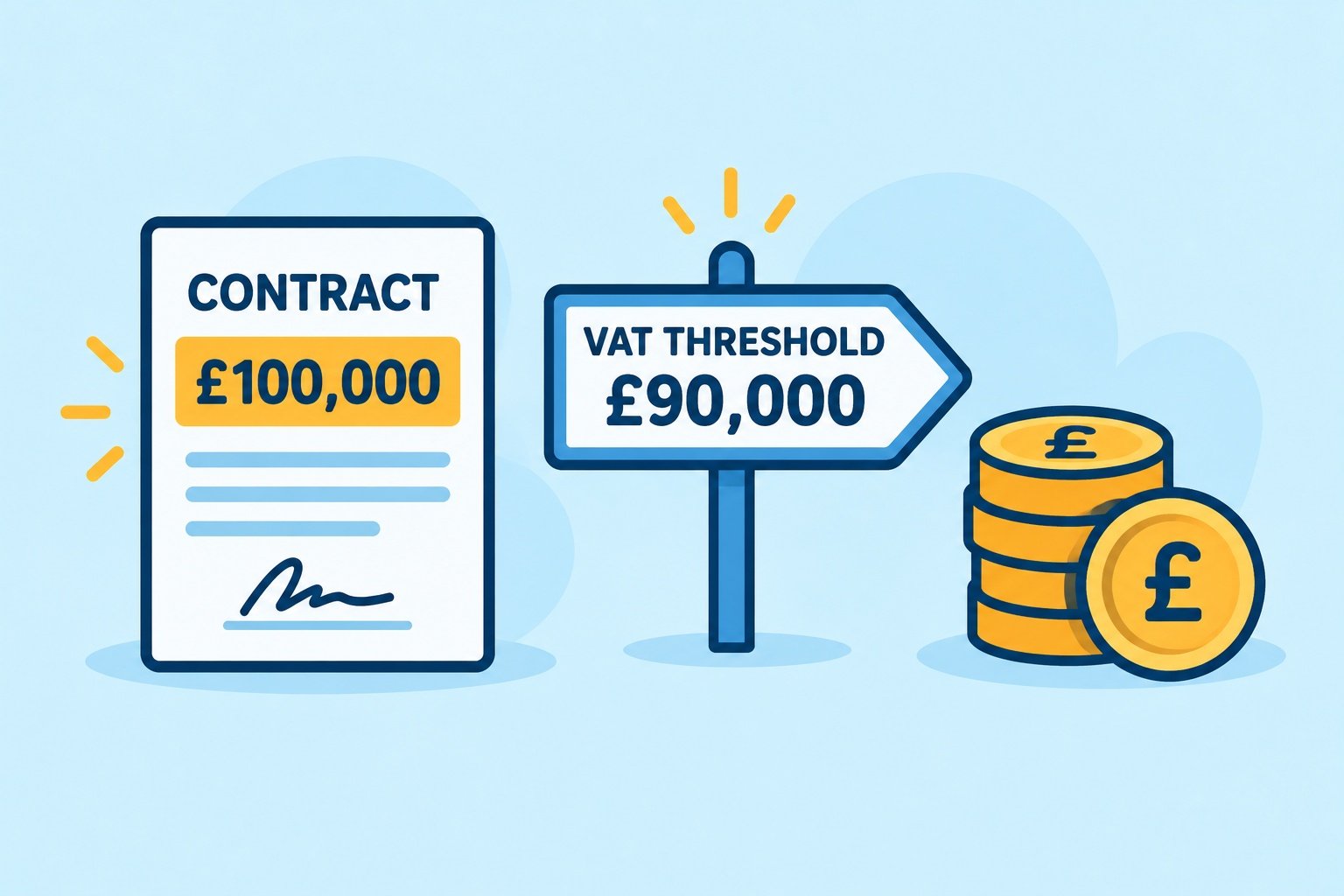
A single large contract can push your taxable turnover over the VAT threshold. Here’s how the rules work, including the separate 30-day test.
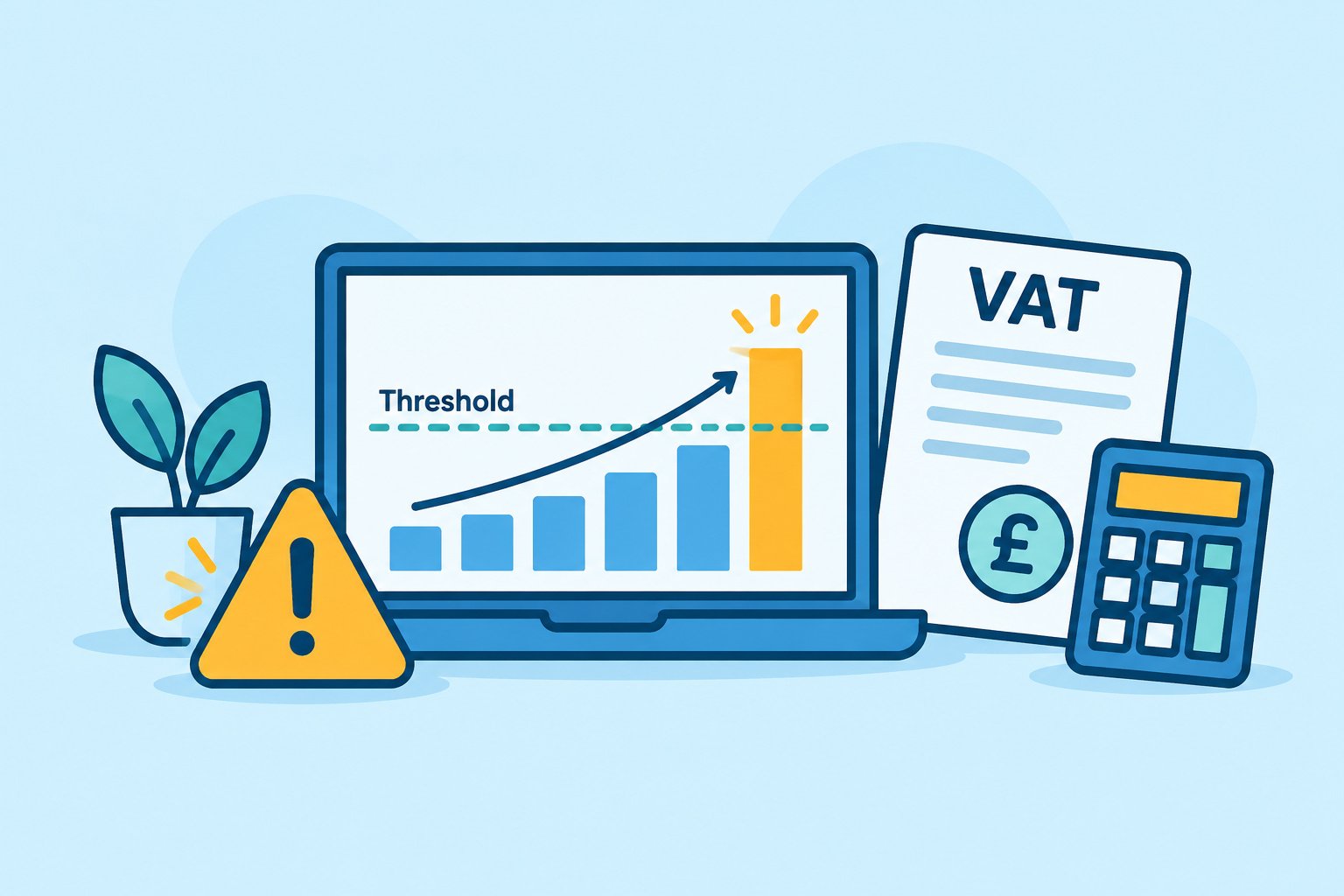
If you accidentally go over the VAT threshold, you may need to register retrospectively and pay VAT from an earlier date. Here’s what to do next.

A practical guide to VAT for sole traders in 2026 – when to register, how it works, VAT returns, reclaiming expenses, and how to stay compliant with HMRC.
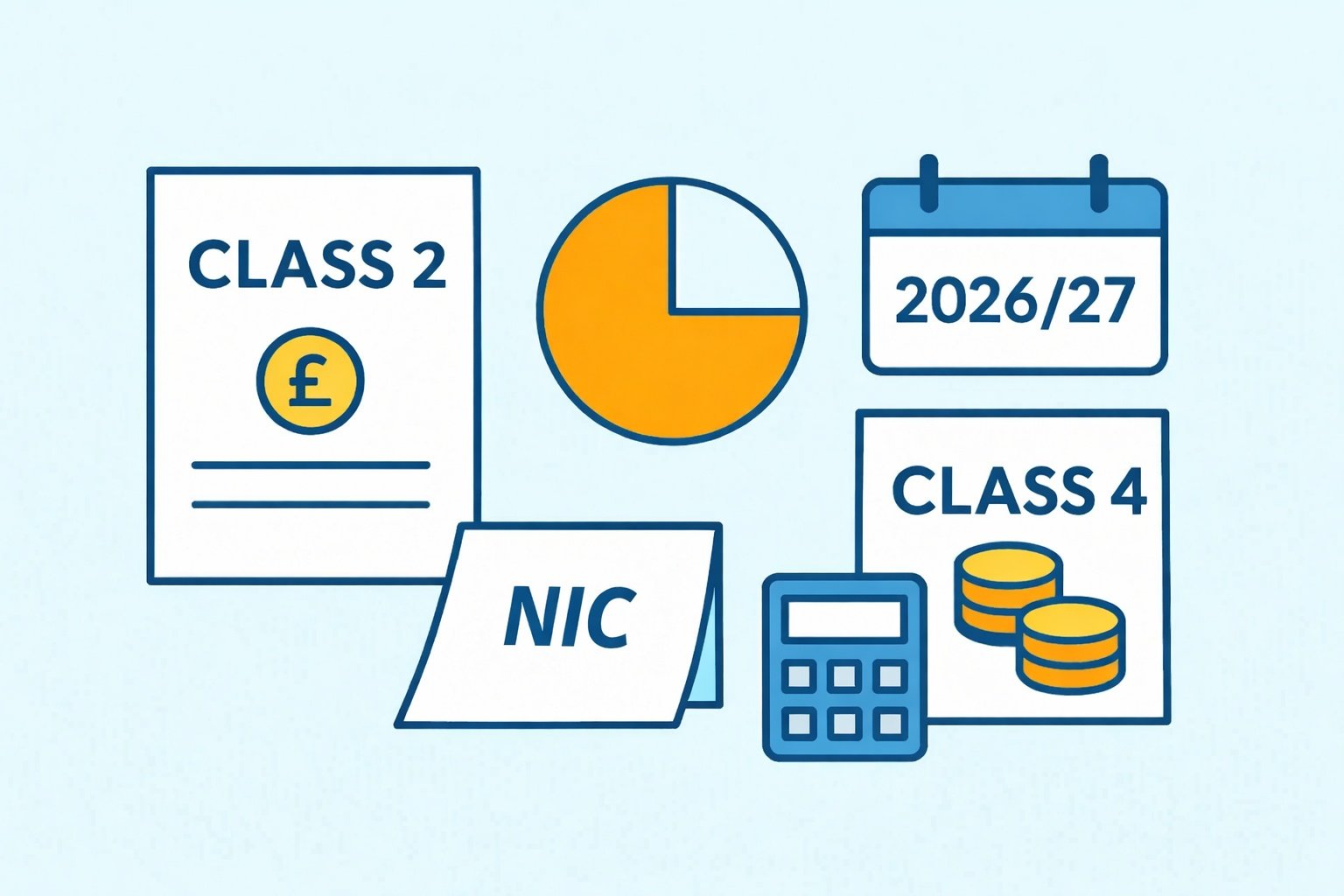
Find out how National Insurance works for sole traders, including Class 2/4 rates, how to pay, and how it differs from employee and limited company rules.

The £90,000 VAT threshold often holds small businesses back. This guide explains why some avoid registering, and what the experts say.

If you have a new UK or EU customer or supplier, you should check the VAT registration number (VRN) they have supplied is valid. Here are three methods.
Can pay yourself a salary as a sole trader? Learn how drawings work, what HMRC expects, and how to manage tax and NI when you’re self-employed.
How long sole traders, limited companies, employers and CIS businesses must keep tax records, plus the documents you should retain as per HMRC guidelines.
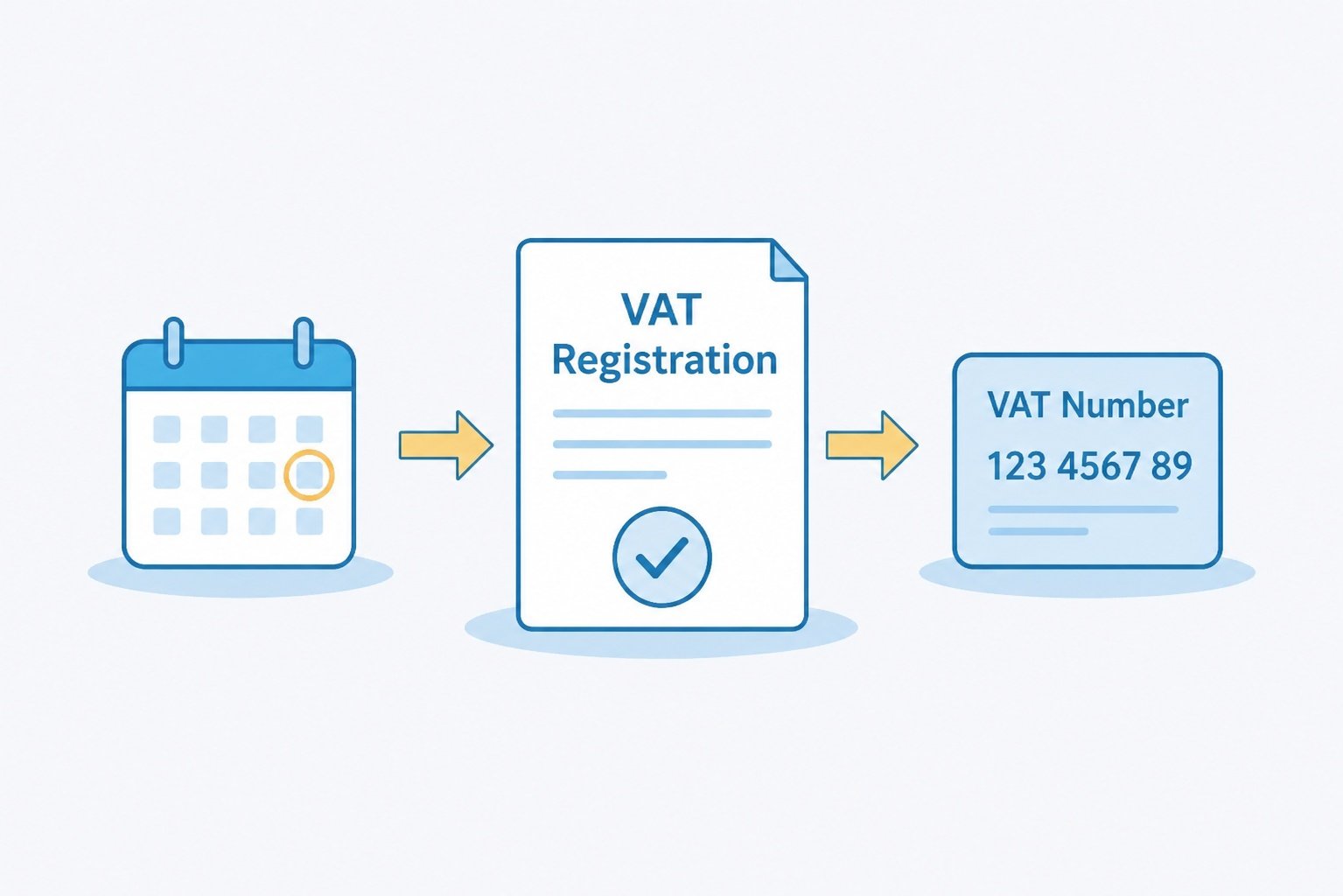
If you’ve applied for VAT registration but are still waiting for your VAT number, you may be unsure whether you should start charging VAT. In most cases, the answer is no. You should not issue a VAT invoice or show VAT as a separate charge until HMRC has confirmed your VAT registration number. However, there’s … Read more