


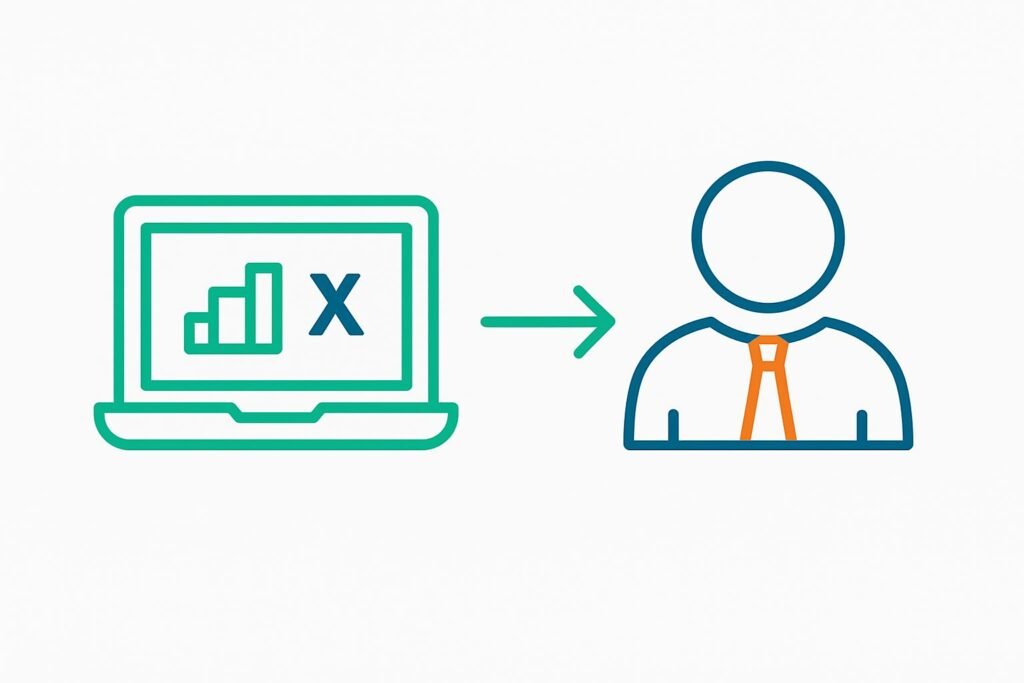
Modern accounting software makes it easier than ever to stay on top of your finances. If you’re using platforms such as Xero or FreeAgent, you might be wondering: do you still need an accountant?
It’s a fair question. Both platforms can generate invoices, chase payments, connect to your business bank account, record expenses, submit VAT returns and help you prepare your accounts for tax.
However, while accounting software handles many day-to-day bookkeeping tasks, it doesn’t replace professional advice, particularly as your tax affairs become more complex.
What Xero and FreeAgent can handle on their own
Let’s start with what both platforms are designed to do:
- Send and track invoices
- Connect to your business bank account and match transactions
- Log expenses and upload receipts
- Run profit & loss and balance sheet reports
- Track mileage and time
- Manage payroll (if set up correctly)
- Submit VAT returns (if you’re signed up for MTD)
They also do a decent job of flagging deadlines and generating useful overviews, especially if you check them regularly.
Compare Xero or try FreeAgent, which offers ByteStart readers a 30-day free trial plus 10% off for life.
So do you still need an accountant?
It depends on a few things – mainly how complex your finances are, and how confident you are about the tax side of things.
If you’re a sole trader with one income stream, no employees, and you’re comfortable with Self Assessment, you might manage fine without an accountant. But even then, you could be missing out on tax-saving opportunities.
And if you run a limited company, have multiple income sources, claim things like capital allowances or pensions, or deal with VAT, it’s usually worth having someone who knows what they’re doing check it all over.
What software doesn’t do (yet)
Here’s where software can’t fully replace a human:
- Advising on the most tax-efficient way to take income
- Spotting when you’re eligible for reliefs or allowances
- Helping you plan for future tax bills or company changes
- Checking for errors before you file
- Dealing with HMRC enquiries or disputes
- Helping you decide when to register for VAT or change business structure
These are the kinds of things a good accountant will look out for — and the kind of value that’s easy to overlook until something goes wrong.
For more on costs and what to expect, see how much you should pay for an accountant.
Could you just hire one for year-end only?
This is a popular compromise. You do the day-to-day bookkeeping in Xero or FreeAgent, then bring in an accountant to review everything before filing, just to check you haven’t made any obvious mistakes.
You’ll usually pay a one-off fee, and it’s far cheaper than full monthly packages. But make sure your records are tidy — no accountant wants to untangle a year’s worth of mismatched transactions for a bargain price.
Compare self-employed accountant options here

80% off Xero Accounting Software for 6 months
Fully compatible with Making Tax Digital (MTD) for sole traders from April 2026.
How to get the best of both worlds
Many accountants now include Xero or FreeAgent as part of their service, so you don’t necessarily have to choose between software and professional advice. In fact, many encourage clients to use cloud accounting software because it makes collaboration much easier.
This means you can upload receipts, track your income, and keep your books up to date – while your accountant steps in when it’s time to file your tax return or advise on bigger-picture decisions.
Not sure if you even need an accountant? Read this first
Trusted external guides and resources
Still weighing up your options? These independent guides are worth a look:
- MoneyHelper – Choosing an accountant
- Which? guide to self-employed expenses
- AccountingWEB – small business Q&A
Summary
Xero and FreeAgent are both excellent at handling the day-to-day administration of running a business. They can save time, improve record keeping and help you stay compliant with Making Tax Digital.
If you’re confident, organised, and keep things straightforward, you might manage without an accountant. However, as your business grows, pairing accounting software with professional advice often provides the best balance of convenience, accuracy and peace of mind.
Sole Trader Accounts
From £50/month

Sole Trader Accounts
From £49/month