Do you need a separate business bank account?
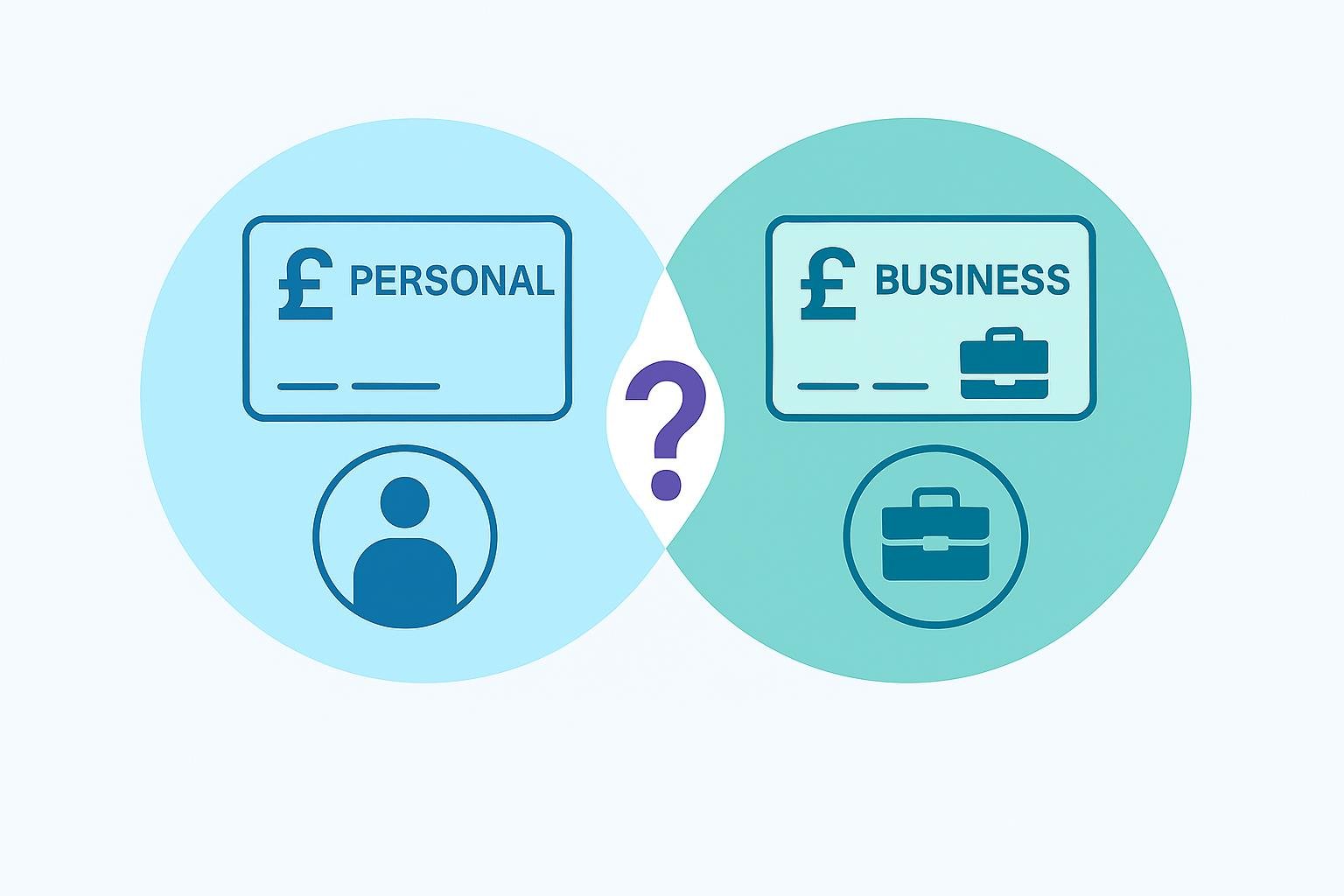
If you’re starting up, do you need a separate bank account for your new business? The answer depends upon the type of business structure you work under.

Whether you’re a sole trader, limited company director or partner, here’s what to look for in a business bank account.
A separate business account helps you keep track of income, payments and tax. Limited companies need to keep company money separate from directors’ personal finances; sole traders have more flexibility, although banks may restrict business use of personal accounts.
Start with the account-choosing guides, or explore practical advice on charges, switching, account protection and individual providers below.
If you’re starting up, do you need a separate bank account for your new business? The answer depends upon the type of business structure you work under.
Find out if you can open a business bank account before you start trading, and what banks need to see before activating your account.
Sole traders can use a personal bank account, but should they? Here’s what HMRC says, the risks involved, and when to switch to a business account.
How to switch business bank accounts as a sole trader or limited company, including payments, bank feeds and switching service eligibility.

There are several reasons why opening a business bank account and keeping your business and personal finances separate is a good idea for a sole trader.

ANNA Money is an app-based business account for small companies and sole traders, offering a debit card and built-in Making Tax Digital (MTD) tools.

We look at what the Financial Services Compensation Scheme (FSCS) is and how it protects sole trader and limited company bank deposits.
If you are a small business owner and are thinking of asking your bank for a business loan, here are some of the key factors you must bear in mind.