
If you earn money on the side – whether that’s selling online, doing odd jobs, or offering a service – you may not need to register with HMRC or file a tax return.
It depends on how much you earn and where the income comes from. That’s where the trading allowance comes in.
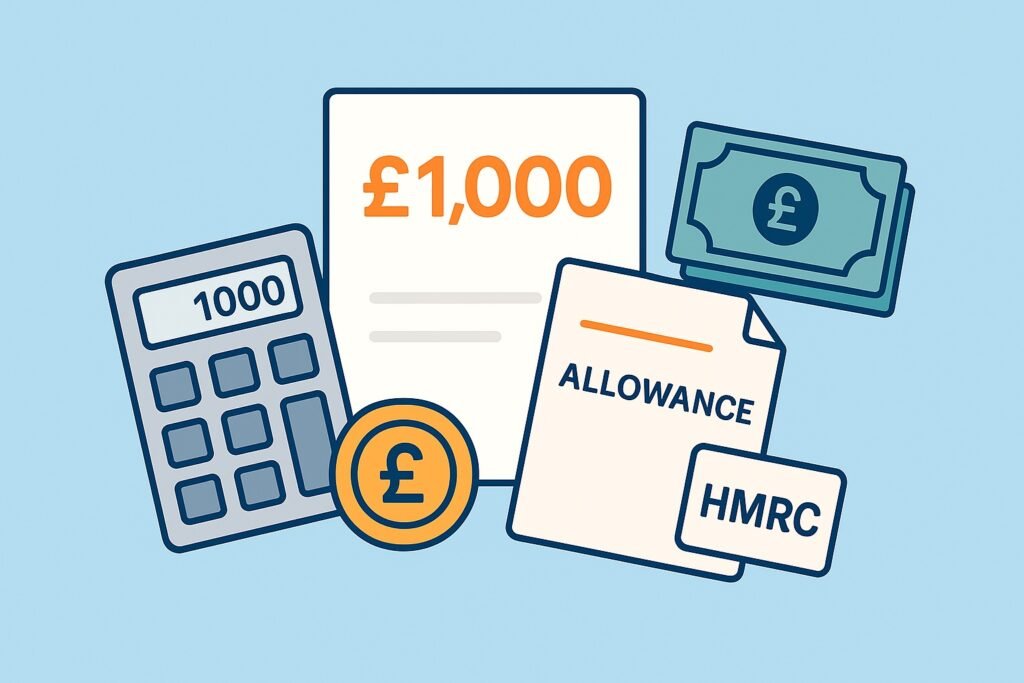
The trading allowance is a £1,000 tax exemption.
If your total trading income is £1,000 or less during the tax year, and you meet a few conditions, there’s usually nothing more to do. No registration, no return. That threshold applies to your gross income, not your profit.
For example, say you earn £940 selling handmade prints on Etsy. You don’t need to register. But if you earn £1,100, even if you spend £300 on supplies, you’ve passed the threshold and must tell HMRC.
The current system is fairly simple at this level, but changes are coming in 2027 that could affect how people report side income.
Who it applies to
This allowance is intended for individuals earning small amounts from self-employment or what HMRC refers to as “trading income”. It might be from:
- Selling items on platforms like eBay, Vinted or Etsy
- Casual freelance work (writing, photography, tutoring)
- Small jobs like repairs, delivery work, or catering
- Any other income that looks like self-employment, but on a small scale
You can’t use the allowance if the income comes through a company or a business partnership. It has to be your income. And you can’t apply it if you’re already claiming expenses for the same income – it’s one or the other.
How it works in practice
If your income stays under £1,000 for the tax year (6th April to 5th April), and you don’t already file for another reason (like rental income), you don’t need to register for Self Assessment.
If your income goes over £1,000, you must register with HMRC by 5th October following the end of that tax year.
If you exceed the limit in 2025/26, you must register by 5th October 2026.
Once you’re in the Self Assessment system, you’ll have two choices on your tax return:
- Use the £1,000 allowance and pay tax on the remaining income (without claiming expenses)
- Ignore the allowance and claim your actual business costs instead
You can’t do both. The method that yields the lower taxable profit is usually the one to choose.
For example, say you earn £2,200 as a part-time tutor. You spent £200 on materials and subscriptions.
If you claim the allowance, your taxable profit is £1,200. If you claim expenses, it’s £2,000 minus £200, which equals £1,800. The allowance saves you more tax.

95% off Xero Accounting Software for 6 months
Fully compatible with Making Tax Digital (MTD) for sole traders from April 2026.
The government’s explanation is here:
Tax-free allowances – GOV.UK
Changes from 2027
In March 2025, HMRC confirmed it will increase the reporting threshold for trading income to £3,000, starting in the 2027/28 tax year.
That doesn’t change the trading allowance itself – it stays at £1,000 – but it does affect who needs to file a return.
From 2027, if your gross trading income is between £1,000 and £3,000, you’ll no longer need to file a full Self Assessment return. Instead, there’ll be a simplified online system to declare and pay any tax you owe.
This is designed to reduce administrative work for individuals earning modest amounts through side work or platforms. It’s estimated that around 300,000 people will no longer need to submit full tax returns as a result.
Official confirmation:
GOV.UK press release (March 2025)
Also covered here:
Keeping records
Even if your income is under the £1,000 allowance and doesn’t need to be reported, you still need to keep basic records. This means noting:
- What was the income for
- When you received it
- How much did you earn
You should also keep copies of invoices, bank transfers, or screenshots if you sell through apps or marketplaces.
If HMRC ever asks, you’ll need to show how your figures were calculated. A simple spreadsheet or notebook will usually do.
Claiming the right relief
Sometimes people are better off registering even if they’re under the threshold – for example, if their costs are higher than £1,000. Once registered, you can claim business-related expenses like software, equipment, mileage, and phone use. It also makes things easier if you plan to grow the business or need to show proof of income for a mortgage.
Property income is different
If you rent out part of your home, a driveway, or another space, there’s a separate property allowance.
It also gives you a £1,000 exemption per tax year. If you earn income from both trading and property, you may be able to use both allowances – as long as they’re for separate sources.
More information
Useful guides:
- 10 steps to becoming self-employed
- How to register as self-employed
- HMRC and online platform reporting rules