Can I pay myself a salary if I’m a sole trader?
Can pay yourself a salary as a sole trader? Learn how drawings work, what HMRC expects, and how to manage tax and NI when you’re self-employed.

Understanding how tax works is essential when you’re self-employed.
This section explains how the UK tax system applies to sole traders, including Income Tax, National Insurance, Self Assessment and VAT.
You’ll also find guidance on registering with HMRC, claiming allowances, meeting tax deadlines and preparing for Making Tax Digital.
Whether you’re starting out or checking that your tax affairs are in order, these guides explain the rules in plain English.
Can pay yourself a salary as a sole trader? Learn how drawings work, what HMRC expects, and how to manage tax and NI when you’re self-employed.
How long sole traders, limited companies, employers and CIS businesses must keep tax records, plus the documents you should retain as per HMRC guidelines.
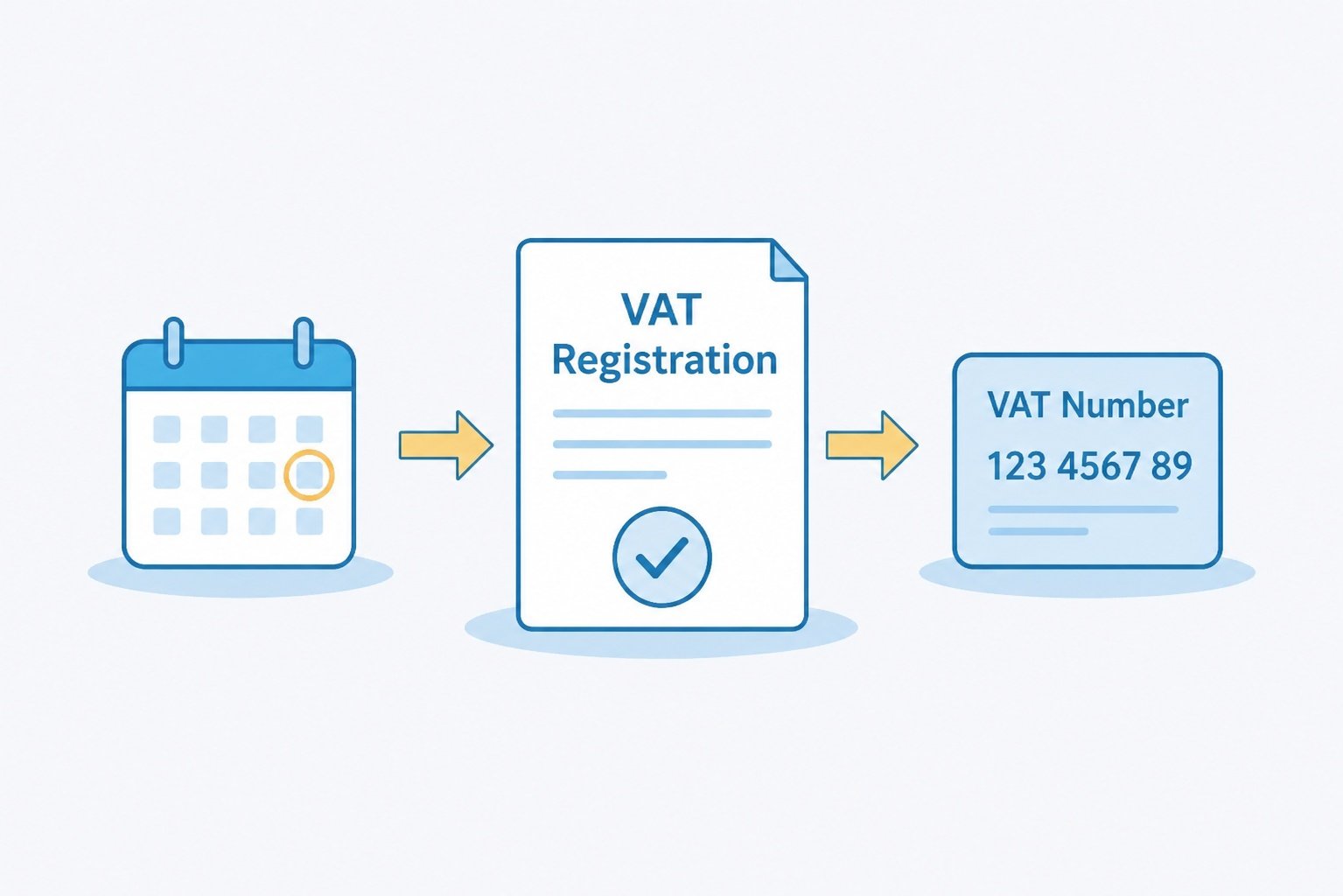
If you’ve applied for VAT registration but are still waiting for your VAT number, you may be unsure whether you should start charging VAT. In most cases, the answer is no. You should not issue a VAT invoice or show VAT as a separate charge until HMRC has confirmed your VAT registration number. However, there’s … Read more
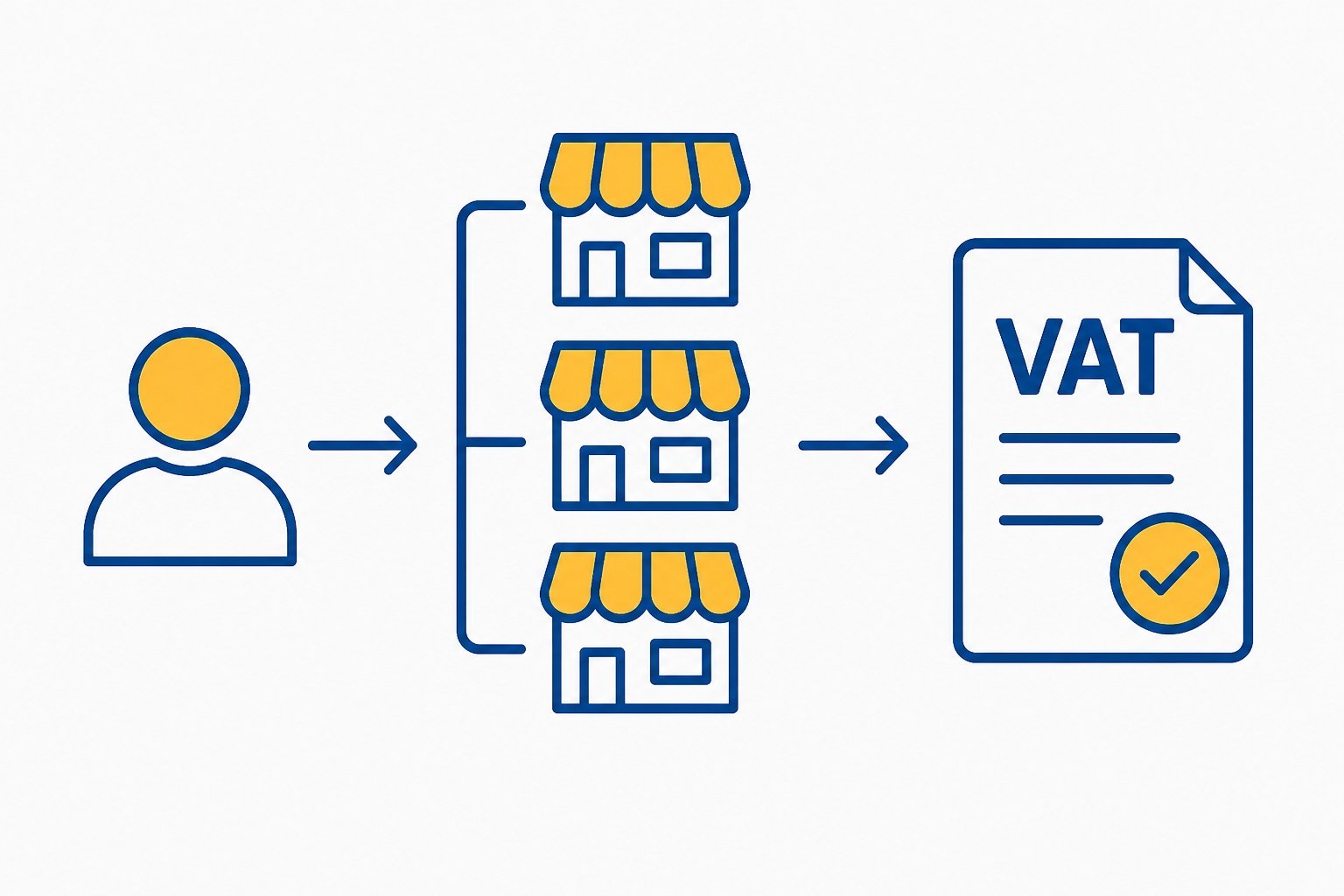
Can a sole trader have more than one VAT number? Why most sole traders can only have one VAT registration, even if they run multiple businesses.
If you’ve ceased trading, your turnover has fallen, or you’ve changed how you run your business, you may no longer need to be VAT registered.

A practical guide to capital allowances for sole traders, including what you can claim, current rates, and how the rules differ from limited companies.

Learn how to sign up for Making Tax Digital for Income Tax as a sole trader. Step-by-step guide, software tips, and what you need to register.
If the ‘taxable supplies’ of your business over the past 12 months have exceeded the current VAT registration threshold, you must register for VAT. The current registration threshold (as of April 2026) is £90,000. This means that at the end of any given month, if the total value of your taxable supplies over the previous … Read more
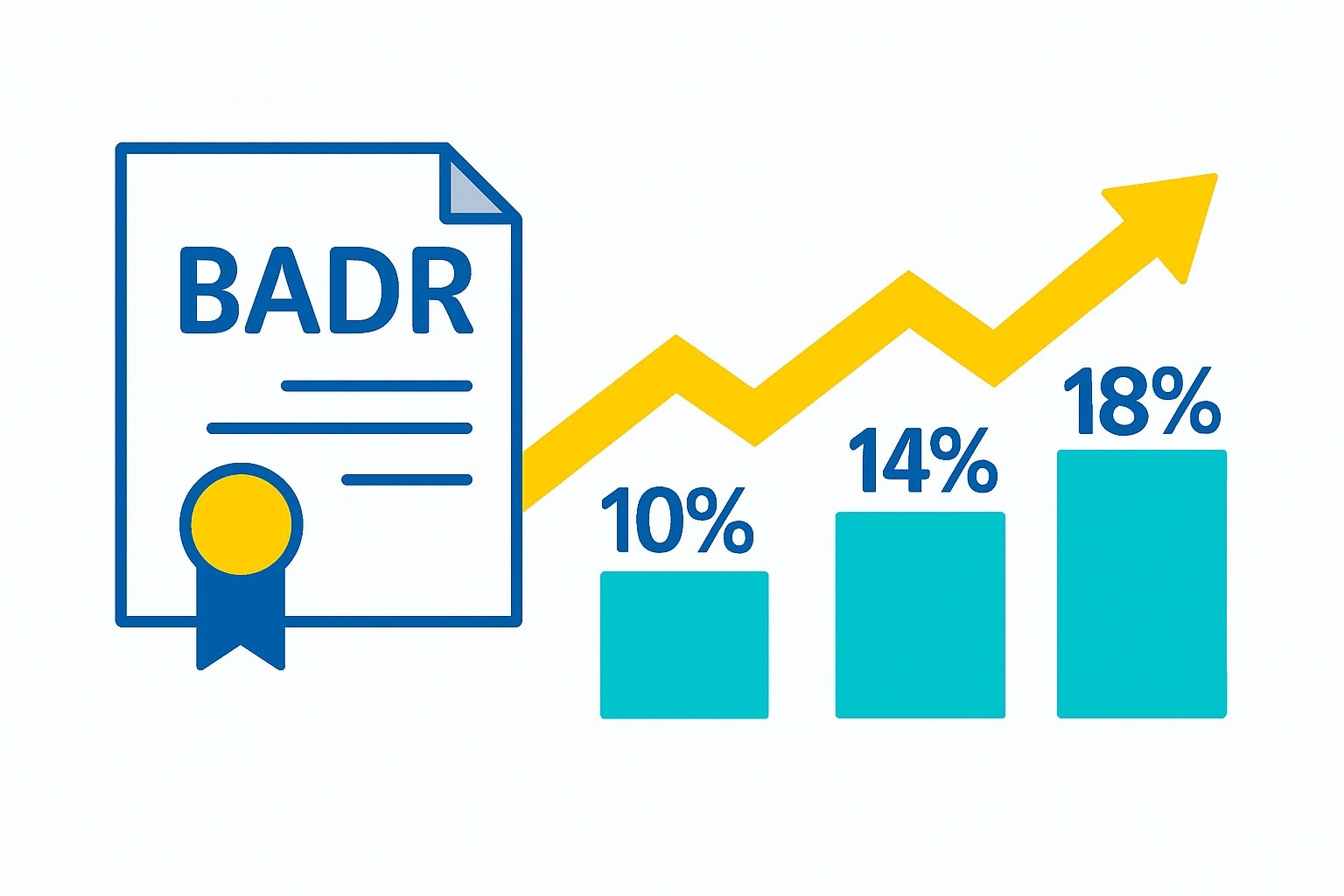
Business Asset Disposal Relief (BADR) reduces your capital gains tax bill if you sell your business. How does BADR works and what are the current rates?

Making Tax Digital for the self-employed: who it applies to, quarterly deadlines, and how to prepare before the April 2026 deadline.