What is the £1,000 trading allowance – how does it work?
How the UK trading allowance works, who can use it, when to register with HMRC, and what changes with the new £3,000 threshold from 2027.

Understanding how tax works is essential when you’re self-employed.
This section explains how the UK tax system applies to sole traders, including Income Tax, National Insurance, Self Assessment and VAT.
You’ll also find guidance on registering with HMRC, claiming allowances, meeting tax deadlines and preparing for Making Tax Digital.
Whether you’re starting out or checking that your tax affairs are in order, these guides explain the rules in plain English.
How the UK trading allowance works, who can use it, when to register with HMRC, and what changes with the new £3,000 threshold from 2027.
A clear guide to who must follow MTD for Income Tax, who’s exempt, and the key easements available for sole traders and landlords.

Payment on Account tax is due by 31 July. Learn who it applies to, how to pay, and what happens if you miss the deadline. Includes guides and links.

With the April 2026 deadline approaching for MTD for Income Tax Self Assessment (ITSA), new research shows how unprepared the self employed are for the change.
If you make some extra money via a ‘side hustle’ – by selling online – you should be aware that digital platforms now share information about sellers with HMRC. You might need to pay tax on any profits you make – but it depends!
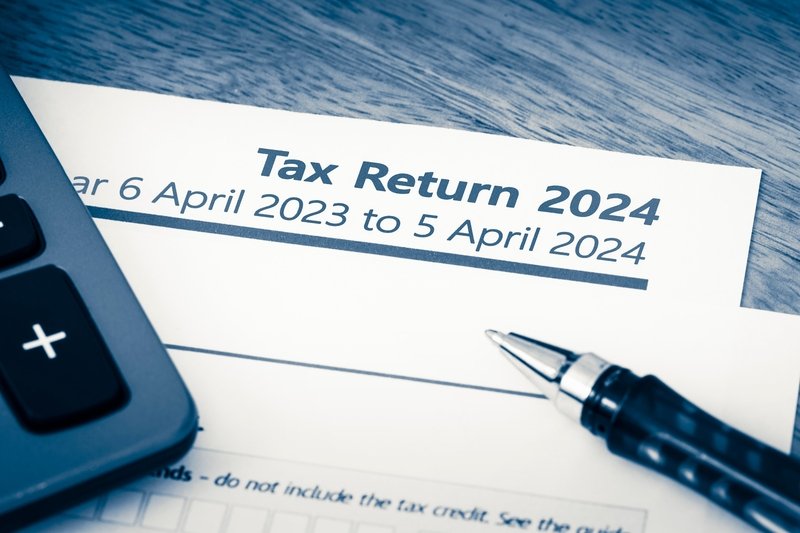
HMRC says that by the start of 2025, over 5 million people had yet to file their self-assessment tax returns. Make sure you don’t miss the deadline!
In what one tax advisory calls the ‘elephant in the room’, there is a sizeable gap between the interest rate HMRC pays on late payments and the amount of interest it pays out on tax refunds.